
Debora Georgino
Operations Expert
A Sea of Savings
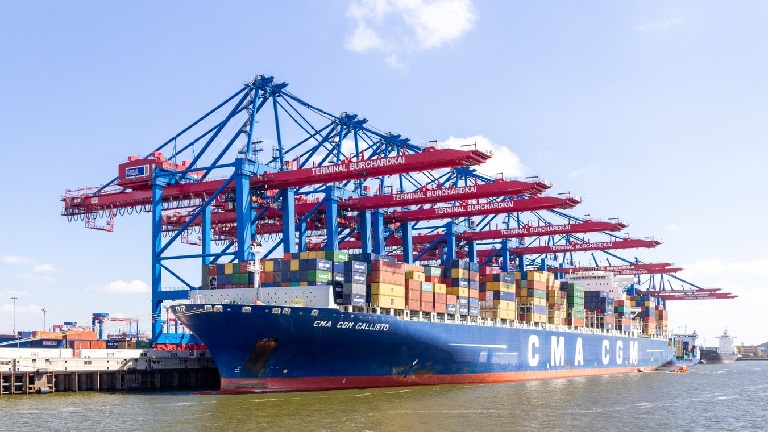
A couple of years ago I noticed that it would make sense for Saleae to ship its inventory from Taiwan using Ocean freight vs Air Freight. Looking at the data we had, this switch seemed to be a very interesting way to save money and reduce our COGS. Considering this, I decided to take on a project to learn more about this opportunity and determine its feasibility, and possibly implement it.
For that, I followed a few steps that helped me to make the right call:
- Googled it! - most of the time when I take on a project, I set 1 hour to just look at information on Google. It is very superficial but extremely helpful. I had an understanding of my shipping options, but I would like to get a feel of the biggest benefits and challenges other businesses face with their logistics, specifically when using Ocean Freight.
- Talked with specialists - I called a meeting with our logistic partner at the time and explained the idea. They were extremely helpful and gave me a lot of insight, commented on what they see often going wrong with this process, and pointed out some successful cases. I also requested them an estimate of how much we should expect pay per Ocean Freight shipment.
- Made a plan - As soon as I got the estimate from our logistics partner and compiled all the information I had, it was very obvious that for my company Ocean freight was the way to go. With that, I went ahead and started planning: When? How? Who? Ocean freight is much cheaper than Airfreight, but it is also much slower. Therefore, I had to plan out inventory levels to accommodate the fact that our inventory would take 30-35 days to arrive, instead of 3-5 days. I also had to adjust the number of devices we would receive in one shipment. Ocean freight is usually the appropriate transportation modal for larger quantities and/or heavier weight shipments. In this case, instead of receiving inventory every month, I planned to receive it every other month. Larger shipments would take up at least half a container and drastically reduce our shipping costs.
- Got everyone on board! - In order to implement the plan, I had to closely work with our Taiwanese PM. We would go from 12 buildings/year to 5-6. That would definitely impact their production line, A/R schedules, and components sourcing. Talking to them, negotiating terms, and having them involved in the plan was crucial for the plan to succeed.
- Set the start date - We worked together, dealt with a few hiccups and made things happen. Since August 2018 Saleae uses Ocean freight.
Benefits of the Switch:
- 100K/year on savings on Shipping costs
- Less time spent by our California team, receiving and reconciling shipments as we reduced the number of shipments by half.